
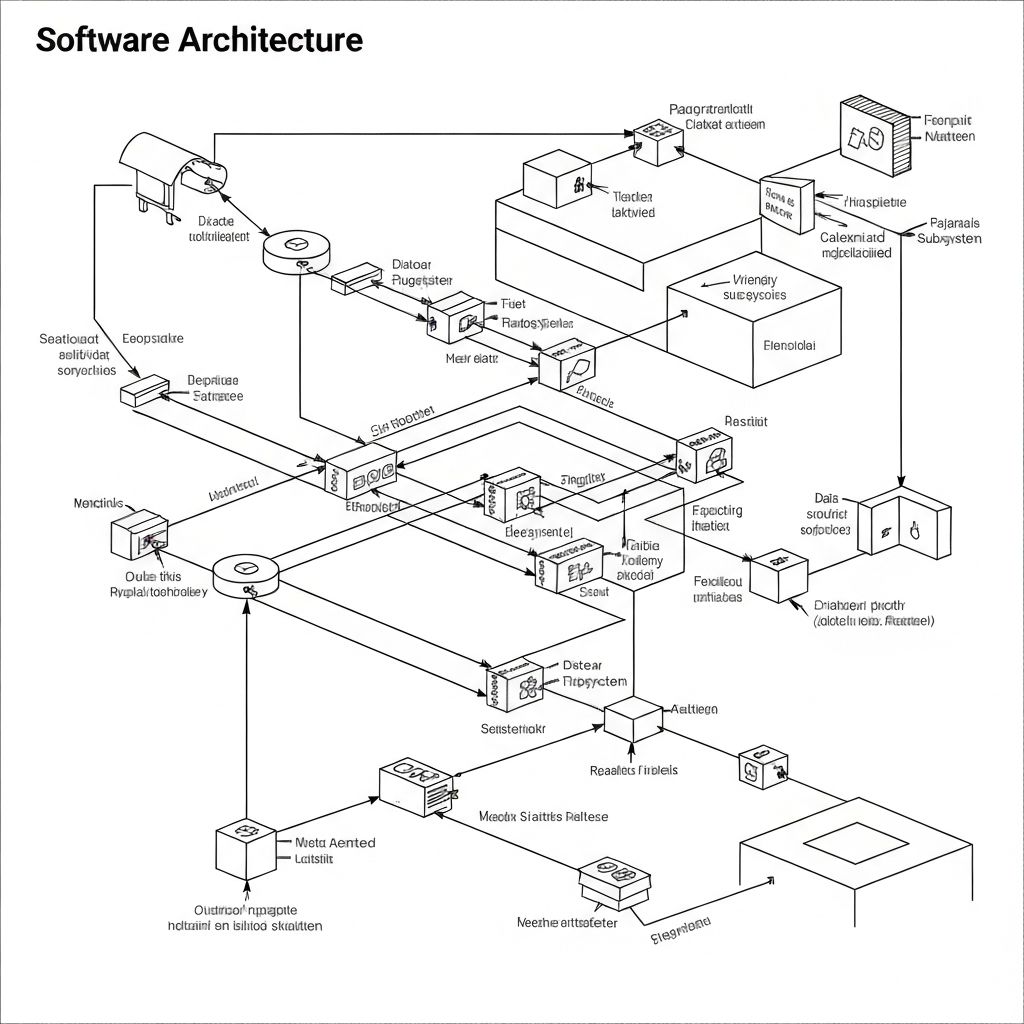
After 18 years and 300+ projects — from startup MVPs to enterprise platforms — we've seen architecture patterns succeed and fail spectacularly.
The truth? Good architecture isn't about using the latest technology or building the most complex system. It's about making pragmatic decisions that solve real problems without creating bigger ones.
This guide distills that experience into actionable patterns. No academic theory. No technology evangelism. Just practical architecture principles that work in the real world where budgets are limited, deadlines are tight, and businesses need systems that actually work.
1. Why Most Systems Fail to Scale
⚠️ The Classic Failure Pattern
- Year 1: "Our MVP is live! 1,000 users!"
- Year 2: "We're growing! 10,000 users, but system is slow..."
- Year 3: "We can't add features, too much technical debt"
- Year 4: "Complete rewrite or die"
- Year 5: "New system still not ready, losing customers"
Top 10 Architecture Failures We've Seen
1. No Database Indexing
Query time: 30 seconds
Add indexes
New query time: 50ms
Nobody thought about it during MVP
2. Synchronous Everything
User uploads file → blocks for 30 seconds
Async job queue
Instant response
"We'll add that later" (never happened)
3. No Caching
1,000 database queries per page load
Redis cache (99% hit rate)
Database load: 99% reduction
"Premature optimization" mindset gone wrong
4. Monolithic Database
Everything in one giant table. 100M rows, no partitioning
Sharding or microservices
Queries from minutes to milliseconds
"We'll never get that big"
5. No Rate Limiting
One bad API client takes down entire system
Rate limiting per client
System stability restored
"We trust our users"
2. The 12 Principles of Good Architecture
1. KISS (Keep It Simple, Stupid)
❌ BAD
- • Microservices from day one
- • Event sourcing for everything
- • GraphQL federation
- • Service mesh
- • Kafka for 100 events/day
✓ GOOD
- • Monolith with good structure
- • Direct database access
- • REST API
- • PostgreSQL
- • Background jobs with a queue
When? Start simple. Add complexity when needed, not before.
2. You Aren't Google
Google's Scale: 1 billion users
Your Scale: 1,000 users
Don't build for Google scale when you're not Google.
Examples:
- • Don't use Kubernetes for 3 containers
- • Don't use Cassandra for 1M rows
- • Don't use microservices for 2 developers
3. Optimize for Change, Not for Performance
BAD: Premature optimization
- • Spend 2 weeks optimizing code that runs once/day
- • Complex caching for 10 users/day
- • Microservices before product-market fit
GOOD: Optimize for maintainability
- • Clear code structure
- • Good naming conventions
- • Automated tests
- • Documentation
Performance optimization comes AFTER you have users complaining.
12. Architecture Checklist
Before Building
Security
13. Frequently Asked Questions
When should I start thinking about scalability?
Plan for 10x your current scale. If you have 100 users, design for 1,000. If you have 10,000, design for 100,000. Don't over-engineer for 100x.
Microservices or monolith?
Monolith until you have >20 engineers or clear bounded contexts that need independent scaling. Most companies never need microservices.
What's the most important architecture decision?
Database design. It's the hardest to change later. Get your data model right, add proper indexes, and you'll avoid 80% of scaling problems.
How do I convince my team to keep it simple?
Show the cost. Complex architecture = more bugs, slower development, higher cloud bills. Simple architecture = ship faster, fewer bugs, happier developers.
About LTK Soft Team
LTK Soft has spent 18 years building production systems for law enforcement, insurance, technology, and enterprise clients — 300+ projects for clients in 32 countries.
Need architecture help? We offer architecture reviews, system design consulting, and full implementation services.